

By 2025, AI is expected to be deeply integrated into various sectors, including healthcare, finance, education, and transportation. Enhanced machine learning algorithms, natural language processing, and computer vision technologies will enable AI systems to perform tasks with unprecedented accuracy and efficiency.
In healthcare, AI will assist in diagnosing diseases, predicting patient outcomes, and personalizing treatment plans. For instance, AI algorithms will analyze medical images, identifying anomalies that may elude human eyes. This leads to improved patient care and reduced costs, ultimately saving lives.
In finance, AI will play a crucial role in risk assessment, fraud detection, and investment strategies. Financial institutions will leverage advanced AI models to analyze vast amounts of data and make real-time decisions, minimizing human error and increasing profitability. Automated trading systems, powered by AI, will adapt to market conditions much faster than traditional methods, providing a competitive edge.
Moreover, chatbots and virtual assistants powered by AI will become commonplace, offering customers instant support and personalized services. This will enhance user experiences across various platforms, making it easier for businesses to engage with their audiences.
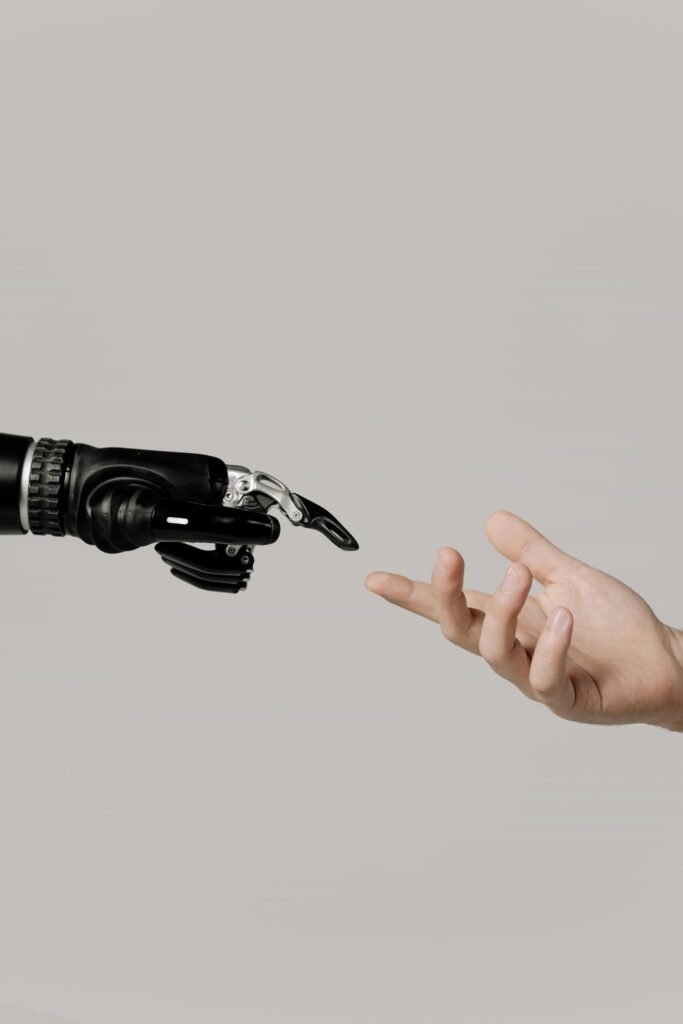
AI
AI in Everyday Life
As AI technologies become more accessible, they will permeate everyday life, enhancing convenience and productivity. Smart homes equipped with AI will manage energy consumption, security, and maintenance tasks autonomously. Imagine waking up to a home that adjusts the temperature, prepares your morning coffee, and even reminds you of your schedule—all thanks to AI.
In education, AI will personalize learning experiences, adapting curricula to meet individual student needs. Adaptive learning platforms will assess students’ strengths and weaknesses, providing tailored resources and feedback. This shift will not only improve learning outcomes but also bridge educational gaps for students from diverse backgrounds.
Additionally, AI-driven educational tools will facilitate remote learning, making quality education accessible to those in underserved regions. Virtual classrooms powered by AI will simulate real-world interactions, enriching the educational experience for students globally.
Ethical Considerations
With the rapid advancement of AI, ethical considerations will become increasingly important. Issues such as data privacy, algorithmic bias, and job displacement must be addressed proactively. As AI systems rely on vast amounts of data, ensuring that this data is collected and used ethically will be paramount. Organizations will need to develop transparent data governance frameworks that protect user privacy while enabling innovation.
Algorithmic bias remains a significant challenge, as AI systems can inadvertently perpetuate existing inequalities. By 2025, it will be crucial for developers to implement fairness and accountability measures in AI algorithms, ensuring that these technologies serve all individuals equitably. This will require collaboration between technologists, ethicists, and policymakers to create standards that promote responsible AI development.

The Workforce of the Future
The integration of AI into the workforce will lead to profound changes in employment dynamics. While AI will automate routine tasks, creating efficiencies and freeing up human workers to focus on more complex responsibilities, it will also result in the displacement of certain job categories. By 2025, workers will need to adapt to new roles that require collaboration with AI systems, emphasizing creativity, emotional intelligence, and critical thinking—skills that machines cannot easily replicate.
To prepare for this shift, educational institutions and organizations must prioritize upskilling and reskilling initiatives. Lifelong learning will become essential as workers navigate a landscape where AI capabilities evolve rapidly. Employers will need to foster a culture of continuous learning, providing resources and support for employees to acquire new skills relevant to the future job market.
Moreover, new job categories will emerge, focusing on managing, maintaining, and developing AI systems. This transition will also emphasize the importance of soft skills, as human workers will need to collaborate effectively with AI, developing a symbiotic relationship that enhances productivity.
AI and Sustainability
As the global community grapples with climate change and environmental challenges, AI will play a significant role in promoting sustainability. By 2025, AI technologies will be employed to optimize resource management, reduce waste, and enhance energy efficiency. Smart grids and AI-driven analytics will enable cities to manage energy consumption effectively, contributing to a more sustainable future.
In agriculture, AI can enhance practices through precision farming techniques. By analyzing data from sensors and drones, farmers can make informed decisions about crop management, leading to higher yields and reduced environmental impact. This integration of AI in agriculture will be crucial in addressing food security challenges as the global population continues to grow.
Additionally, AI can help monitor and predict environmental changes, allowing for more proactive measures in conservation efforts. By leveraging AI, researchers can analyze complex environmental data, leading to more effective strategies for preserving ecosystems.
Conclusion
The future of AI in 2025 promises to be transformative, impacting various aspects of our lives and society. While the potential benefits are immense, they come with significant ethical and practical challenges that must be addressed. As we navigate this evolving landscape, collaboration between stakeholders—including technologists, policymakers, and the public—will be essential to harness the power of AI responsibly and equitably.
By embracing innovation while prioritizing ethics, we can ensure that AI serves as a force for good, enhancing our lives and creating a sustainable future. As we stand on the brink of this new era, it is imperative to remain vigilant and proactive in shaping a world where AI contributes positively to society, empowering individuals and fostering a more equitable and sustainable future for all.
click the link for Balazea AI https://blazeai.sjv.io/N9Jkk1
click the link for AI software picwish https://wangxutechnologyhkcolimited.pxf.io/raybXG
click the link for AI Capcut https://capcutaffiliateprogram.pxf.io/je4Bjb
for more go to the other posts on my blog sadioblog.com
check kittle for creative designs and templates https://kittl.pxf.io/bO123P